


Fundamentals of Printing - Putting a print in print (fixing white spots)
In the production process of printing packaging, fine art books, and various paper publications, color reduction and edge accuracy are the key factors determining the quality of the finished product. However, because the paper will undergo physical morphological changes (such as hygroscopic expansion, dry contraction) during the printing process, the ink cover of different colors is different, and....more
Gold & Silver Cardstock Guide: Paper Selection & Printing Tips to Avoid Pitfalls
How can you work in packaging design without knowing silver and gold cardstock? This inherently premium material can instantly elevate your design to a whole new level. But how do you select silver cardstock, print on it, and avoid common pitfalls?
## 1. What is silver cardstock, and why is it more widely used than gold cardstock? Silver and gold cardstock, as the name suggests, are papers coated with a metallic finish. The silver variant is known as....more
Cause Analysis and Countermeasures for Insufficient Ink Adhesion
How to control four-color offset printing (CMYK)
The core of CMYK control lies in precise registration and proper color registration. To prevent color misalignment, ghosting, or color overflow, the registration error must be strictly controlled between ≤ 0.1 mm (high precision) and 0.3 mm (standard). Below is a brief analysis covering prepress design, printing equipment, and the printing process; it can be said that prepress preparation plays a direct role in ensuring accurate color registration....more
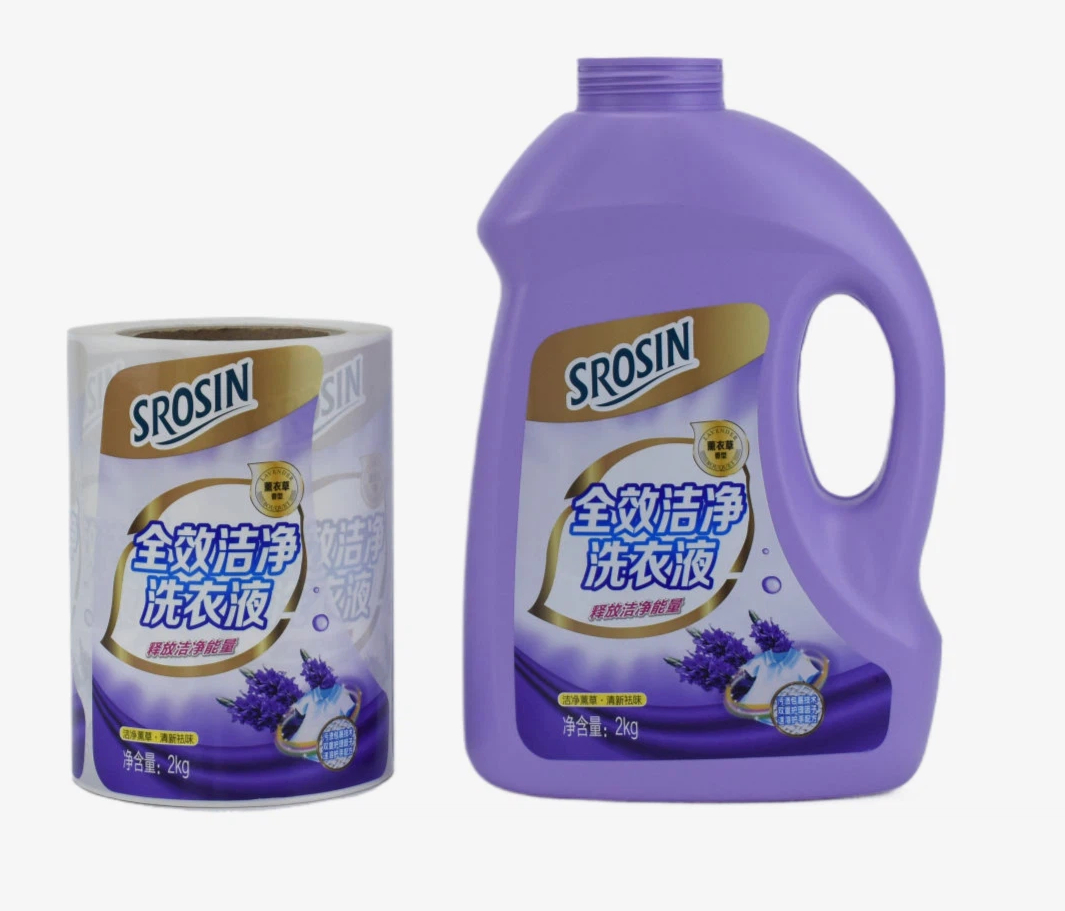
Properties & Application of Plastic Label Materials
1. Clear Polyester (Clear Dragon)
Features: Transparent face stock, waterproof, oil-proof, damage-resistant with outstanding visual presentation.
Application scenarios: Shampoo labels, daily chemical product labels, health care & pharmaceutical labels, food sealing stickers, gift & toy labels, electronic and electrical appliance labels, etc.
Many clients require labels for shampoo and other products to be applied via automatic labeling machines afterward. For such needs, 5-micron grid-liner transparent material
...more
Principles, Advantages, and Disadvantages of UV Printing
In the printing industry, UV printing has become the preferred choice for packaging and specialized printing applications due to its unique curing mechanism and superior print quality. However, many practitioners still have questions regarding its fundamental principles and practical challenges. Today, we clarify the fundamentals of UV printing: I. What is Flatbed UV Printing? Simply put, UV ink is "ultraviolet-curable ink" that instantly solidifies...more
High Blackness, Excellent Hiding Power & Low Viscosity: Three Core Benchmarks for Premium Black Inks
Hiding power refers to an ink’s capacity to mask the substrate’s base color and surface defects. Even among black inks, performance varies drastically. When printed on aluminum foil, transparent film or dark paper, some blacks deliver sharp, opaque coverage with no show-through; others turn gray and translucent, requiring multiple overprints. Superior hiding power delivers solid jet black in a single coat, cutting ink consumption and enabling high-speed ...more
Examines the trapping logic and methods for black gold and white colors based on printing industry practices
In print design and production, trapping is a critical process that ensures precise color registration, prevents white areas, and avoids registration errors, particularly for special colors such as black, gold, and white, which require specific trapping principles. This article systematically examines the trapping logic and methods for these three colors based on printing industry practices. ...more
A Comprehensive Analysis of Printing Plate Making Technology: The Evolution from Traditional Film to Modern CTP Systems
Throughout the long history of the printing industry, plate-making technology has consistently served as. ...more
Nothing is more troublesome than hearing clients say "the colors are off"
Colors look bright and vivid on computer screens, yet the finished prints often turn out dull or discolored, far from the expected effect. ...more
The Difference Between PANTONE Spot Colors C and U
Pantone color charts use the suffixes C for Coated (coated or glossy coated paper) and U for Uncoated (uncoated or matte paper)..more.
How to Determine If Printing Colors Meet Standards
A spectrophotometer (such as X-Rite 528/530, i1Pro, etc.) is required, and the printed sample must have solid CMYK color patches...more
Common Printing & Packaging Processes + Use Guide
1. Laser technology principle: laser is divided into three kinds, one paper itself is a laser effect, and the other is hot stamping..more.
Analysis Methods for Poor Peel Strength Issues
In the performance evaluation of laminated packaging films, peel strength is one of the most critical indicators...more
Printing Plate Making – Color Separation Steps in Photoshop
In the design of computer plate making or graphic design, the image that is generally downloaded from the Internet, the image that scans or the image that takes is mostly RGB color mode...more
Screen Printing Ink Preparation & Recycling Method
In the process of screen printing, the first problem encountered before printing is the deployment of ink color...more
Field Printing Shows Maximum Saturation
Four-color printing is printed with CMYK(cyan, magenta, yellow, black) four-color overprint that you need...more
Color Difference Solution in Printing
The uniform ink color and bright color are the basic requirements of packaging product quality...more
Printing Classification & Basic Knowledge
Printing is a technology that transfers ink from original materials such as text, images, and photos to the surface of materials...more
Introduction to Post-Printing Process
After printing, the process is the key step to give the soul, texture and function of the printed matter...more
Contact Us
Email: info@eufuho.com


